

If you live in Knoxville, you know that our weather can’t quite make up its mind. One week it’s snowing in March, and the next, we are hitting 80 degrees. This "weather identity crisis" makes East Tennessee a very difficult place to grow a perfect lawn.
In the world of lawn care, we call Knoxville a “Transition Zone.” This is a fancy way of saying we are too far south for many northern grasses to stay cool, but we are just far enough north that southern grasses go to sleep for half the year.
Most homeowners in our area end up choosing between two champions: Tall Fescue and Bermuda Grass. But which one is right for your specific yard? Let’s break down the "Grass Wars" so you can stop guessing and start growing.
Before you can take care of your lawn, you have to know what it is. Treating Fescue like Bermuda is a quick way to end up with a yard full of dirt and weeds.
Tall Fescue is the most popular choice for professional lawn care in Knoxville. It is a "cool-season" grass.
Bermuda is the "warm-season" warrior. You’ll see it on golf courses and sports fields all over the South.
If you want that classic, "golf course green" look in the middle of November, Tall Fescue is your best bet. Here is why so many people in West Hills and Hardin Valley choose it.
Knoxville is full of beautiful, mature oak and maple trees. Most grasses hate shade, but Tall Fescue is much more tolerant of it. If your backyard only gets 4 to 6 hours of sunlight because of big trees, Fescue is likely the only grass that will survive there.
There is nothing quite like looking out your window in January and seeing a green lawn while the rest of the neighborhood looks brown. Fescue thrives when the temperature is between 60 and 75 degrees, which describes most of our spring and fall.
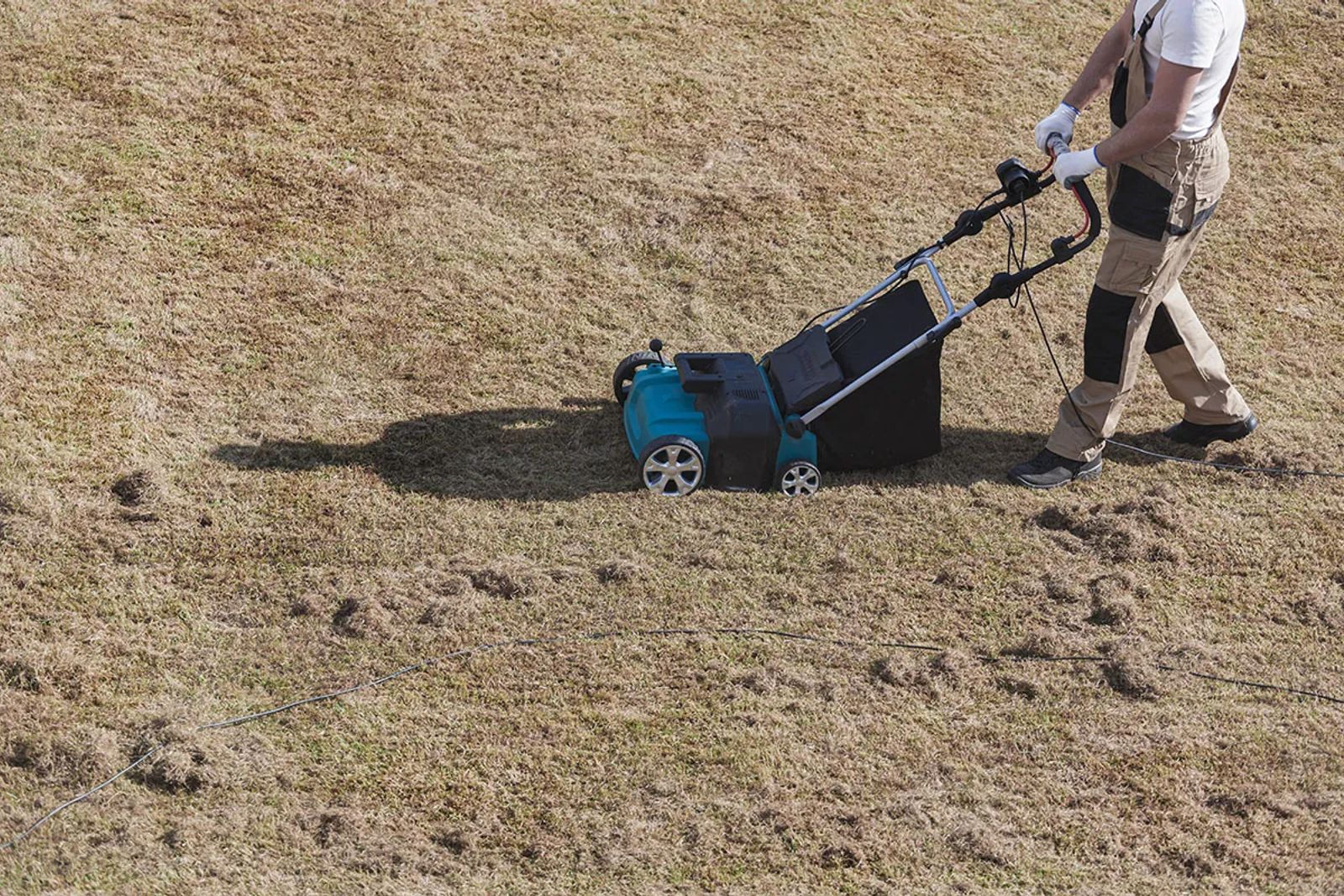
Fescue isn't perfect. Because it grows in bunches and doesn't have "runners," it cannot heal itself. If a patch dies out due to a hot Knoxville summer or a disease like Brown Patch, you have to physically put new seeds down. This is why lawn aeration and overseeding every September is a "must-do" task for Fescue owners. Without it, your lawn will get thinner and thinner every year until the weeds take over.
While Fescue loves our fall, it hates our July. When the Knoxville humidity hits and the temps stay in the 90s, Fescue goes into survival mode. It needs deep watering (about 1 to 1.5 inches a week) to stay green. If you don't water it, it will turn brown to protect itself.
Expert Tip: When mowing Fescue in the summer, keep your mower blade high—about 3.5 to 4 inches. This helps shade the soil and keeps the roots cool.
While Fescue is the "King of the Green Winter," Bermuda is the undisputed champion of the hot Tennessee summer. If your home in Karns or Northshore has a wide-open backyard with no trees, Bermuda might be your best friend.
Bermuda grass doesn't just survive a Knoxville heatwave; it loves it. While Fescue starts to wilt and turn yellow in July, Bermuda stays vibrant and tough. It is incredibly drought-tolerant, meaning you won't have to spend nearly as much on your water bill to keep it alive during a dry spell.
The coolest thing about Bermuda is how it grows. It uses "runners" (stolons and rhizomes) that spread across the ground. If your dog digs a small hole or you have a high-traffic area where kids play soccer, Bermuda will naturally grow back over the bare spot on its own. You don't have to buy a bag of seed every time the lawn gets a little beat up.
The biggest "con" for Bermuda in East Tennessee is that it goes to sleep early. Usually, by the end of October or the first frost, your lawn will turn a sandy, tan color. It will stay that way until May. Many people don't mind this, but if you want your house to look green for holiday photos, Bermuda will disappointed you.
We often get calls from homeowners in Sequoyah Hills or West Hills who are frustrated because their lawn is a "mutt"—a messy mix of both Fescue and Bermuda. This usually happens because Bermuda "invades" a Fescue lawn during the summer.
If your yard is getting sunnier because you removed some trees, it might be time to let the Bermuda take over. However, if your yard is getting shadier as your trees grow, you will likely need to stick with a high-quality Tall Fescue program.
Trying to grow Bermuda in the shade is a losing battle—it will eventually thin out and leave you with nothing but mud and moss.
No matter which grass you choose, timing is everything in Knoxville. Here is the "Secret Sauce" schedule we use for our clients:
At the end of the day, there is no "perfect" grass for East Tennessee—there is only the grass that fits your lifestyle and your specific lot.
If you want a low-maintenance lawn that can handle dogs and kids but don't mind the brown winter look, go with Bermuda. If you want a lush, deep green lawn that stays beautiful in the winter and you don't mind the yearly task of seeding, Tall Fescue is your winner.
Still feeling stuck? Don't spend another weekend guessing at the garden center. St. John Lawn Care knows Knoxville soil and Knoxville weather. Whether you are in Hardin Valley, Holston Hills, or anywhere in between, we can walk your property and give you a professional recommendation.
Ready for a lawn that makes your neighbors jealous? Contact us today for a free estimate and let’s get your Knoxville lawn on the right track!
While you can, most Knoxville homeowners find it looks messy. Because Bermuda turns brown in the winter and Fescue stays green, your lawn will look "spotted." Also, they have different mowing and watering needs. It is usually best to pick one and treat the other as a weed to keep your lawn looking uniform and professional.
Bermuda grass is generally better for high-traffic areas and pets. Because it spreads through "runners," it can repair itself if a dog digs a hole or runs a path through the yard. Tall Fescue grows in clumps and cannot heal itself, meaning you will have to reseed any bare spots your pets create every fall.
The answer depends on the grass! For Tall Fescue, the "Golden Window" is September through mid-October. The soil is warm, but the air is cooling down. For Bermuda, you should plant or sod in late spring (May or June) once the threat of frost has passed and the ground is consistently warm.










St. John Lawn Care offers a winning combination of quality, reliability, personalized service, and affordability. When you choose us, you're not just choosing a lawn care provider; you're selecting a trusted partner committed to enhancing your outdoor spaces.